
When people think about improving their health, they often focus on exercise and nutrition. Both are incredibly important, but there is another piece of the puzzle that is too often overlooked: sleep and recovery.
Sleep Is One of Your Most Powerful Health Tools
Sleep is one of the most powerful tools available for improving both physical and mental health. While you rest, your body repairs muscle, restores energy levels, balances hormones, and strengthens your immune system. Without enough quality sleep, even the best training and nutrition plan will struggle to deliver results.
It's easy to treat sleep as the thing you sacrifice when life gets busy. In reality, it's one of the few inputs that affects almost every other part of your health at once — energy, mood, strength, and appetite included.
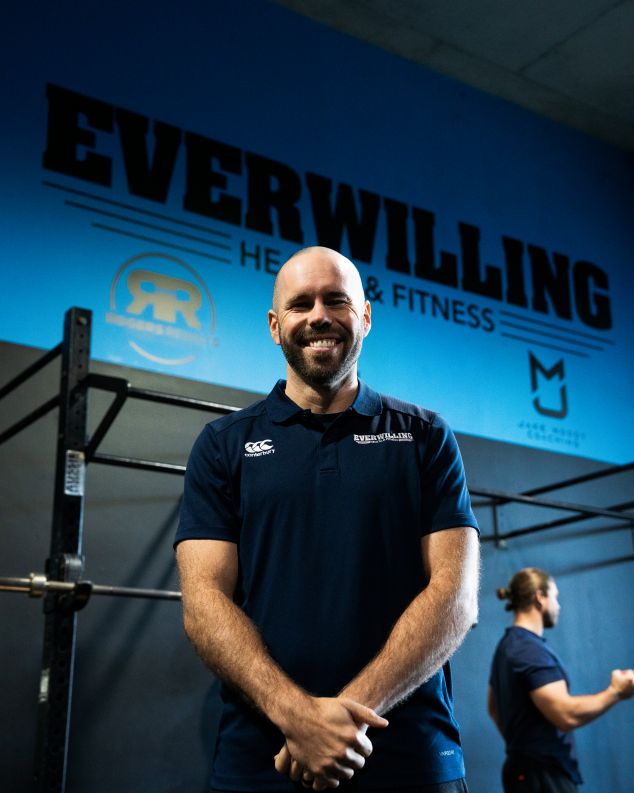
"You can have the perfect training plan and the perfect diet, but if sleep isn't part of the equation, you're leaving results on the table." — Charles Ivey
The Sleep and Weight Loss Connection
For those looking to lose weight, sleep plays a major role. Poor sleep increases the hormones that drive hunger and decreases the hormones that help you feel full. This often leads to increased cravings, poorer food choices, and overeating — without you even realising why.
Research has consistently shown that people who get adequate sleep tend to have far greater success with weight management than those who are regularly sleep-deprived. If your nutrition keeps falling apart late in the evening, sleep might be the missing piece.
Recovery Is Where the Real Results Happen
Recovery is just as important as training itself. Every workout creates stress on the body, and that stress is necessary — it's the stimulus that drives progress. But the actual improvements happen during recovery, not during the workout. When you give your body enough time to recover, muscles repair and grow stronger, energy stores are replenished, and your risk of injury drops significantly.

Why More Training Isn't Always Better
Many people believe that training harder and more often will automatically produce better results. In reality, constantly pushing your body without proper recovery can lead to fatigue, poor performance, a higher risk of injury, and even burnout. Rest days, stretching, mobility work, and quality sleep are all essential parts of a successful fitness program, not optional extras.
- 7–9 hours of quality sleep most nights
- At least one full rest day between hard sessions
- Stretching and mobility work
- Staying hydrated and eating enough to support training
- Scaling back intensity when your body is telling you to
The Mental Health Side of Recovery
Sleep and recovery also have a significant impact on mental health. A well-rested mind is better able to handle stress, stay focused, maintain motivation, and make healthy decisions throughout the day. Chronic sleep deprivation, on the other hand, can contribute to mood swings, anxiety, and reduced productivity — undoing a lot of the good work happening in the gym.
"Recovery is not being lazy — it is a vital part of becoming healthier, stronger, and more resilient." — Charles Ivey
Final Thoughts
At Everwilling Health and Fitness, we believe that true health is about more than just training hard. It's about creating sustainable habits that support your overall wellbeing. Alongside a structured exercise program and a healthy nutrition plan, prioritising sleep and recovery will help you feel better, perform better, and achieve your goals faster.
Sometimes the most productive thing you can do for your health is simply get a good night's sleep.