
As we move past the age of 50, health priorities often begin to shift. Many people start paying closer attention to blood pressure, cholesterol, bone density, joint pain, mobility, and energy levels. While all of these areas matter, one of the most overlooked factors in healthy ageing is lean muscle mass.
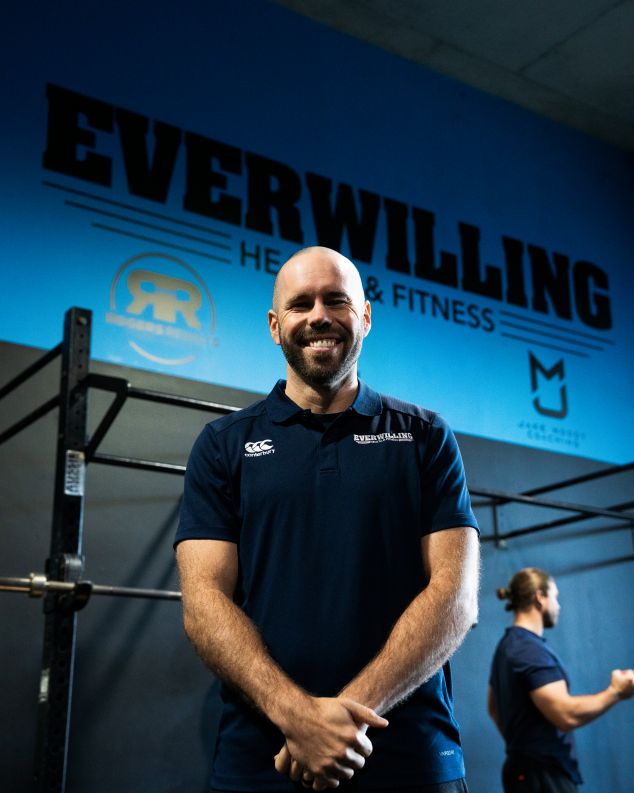
At Everwilling Health & Fitness, owner and personal trainer Charles Ivey has spent years helping everyday people improve their strength, confidence, and quality of life through smart training and consistent habits. Located in the Hills District of Castle Hill, the gym has built a reputation as "The Hills Friendliest 24/7 Gym," known for its welcoming environment and personalised coaching.
Lean muscle mass refers to the amount of muscle tissue you carry on your body. It plays a much greater role than simply helping you look fit or strong. In reality, maintaining and building muscle after 50 can significantly improve independence, metabolism, posture, mobility, and long-term health.
Muscle Loss Naturally Happens With Age
From around the age of 30, adults can gradually lose muscle mass if they are not actively strength training or staying physically active. This decline often speeds up after 50. Reduced activity levels, hormonal changes, stress, and poor nutrition all contribute.
According to Charles Ivey, many people assume feeling weaker or slower is simply part of ageing. In many cases, it is more related to avoidable muscle loss than age itself.
- Declining activity levels and sedentary habits
- Hormonal shifts (testosterone and oestrogen decline)
- Inadequate protein intake
- Poor sleep quality
- Chronic stress and elevated cortisol
Strength Supports Everyday Life
Strong muscles make life easier. Tasks such as climbing stairs, carrying shopping bags, getting up from a chair, lifting grandchildren, gardening, or walking long distances all rely on strength and endurance.
For adults over 50, maintaining muscle can be the difference between living independently and relying on help later in life. Strength gives freedom. It allows people to travel, socialise, enjoy hobbies, and move with confidence.
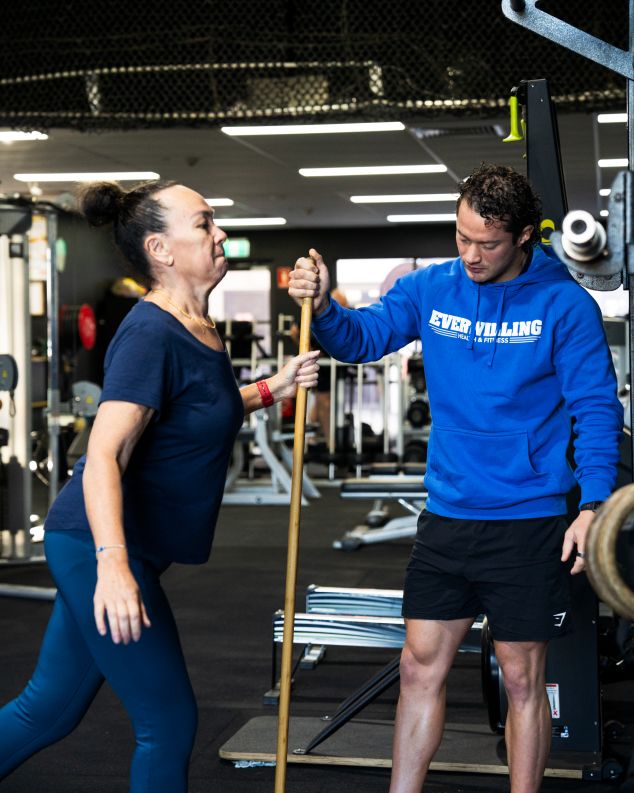
At Everwilling Health & Fitness, Charles Ivey works with clients of all ages and fitness levels, creating realistic programs that help members feel stronger in everyday life.
Lean Muscle Helps Control Body Fat
One of the most common frustrations after 50 is that it becomes easier to gain weight and harder to lose it. A major reason is declining muscle mass.
Muscle tissue is metabolically active, meaning it burns energy even while resting. The more lean muscle you have, the more calories your body naturally uses each day. When muscle decreases, metabolism slows.
"Focusing only on dieting can backfire. Severe calorie restriction without resistance training often causes muscle loss — the very thing slowing your metabolism in the first place." — Charles Ivey
A far better strategy is improving nutrition while building or preserving muscle. The two work together — not against each other.
Better Blood Sugar and Metabolic Health
Muscle plays a major role in regulating blood sugar. Healthy muscle tissue helps your body use carbohydrates more efficiently and improves insulin sensitivity.
For adults over 50, this is especially important because the risk of insulin resistance and type 2 diabetes increases with age. Strength training is one of the most effective tools for supporting metabolic health — often delivering measurable improvements in blood markers within weeks.
Stronger Bones and Joints
Many people think bone health only depends on calcium, but muscle matters too. Resistance training places healthy stress on bones, encouraging them to stay stronger and denser over time.
This is particularly important for adults concerned about osteopenia or osteoporosis. Building muscle can help preserve bone density and lower fracture risk. Strong muscles also support joints directly, helping reduce unnecessary strain on knees, hips, shoulders, and the lower back — which means less pain and better mobility day to day.
Improved Balance and Reduced Fall Risk
Falls are one of the biggest health risks for older adults. Loss of strength, coordination, and balance can increase the chance of a serious injury significantly.
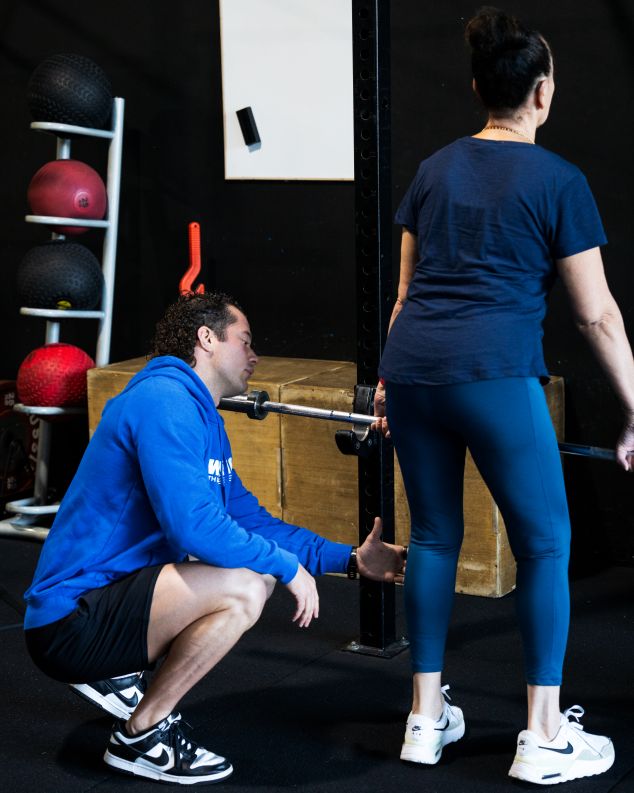
Maintaining lean muscle mass — especially in the legs, hips, and core — improves posture, stability, and reaction time. Combined with mobility work, it can greatly reduce fall risk and keep you moving with confidence for years longer.
Mental Health and Confidence Benefits
The benefits of muscle are not only physical. Strength training is strongly linked to improved mood, better sleep, lower stress, and greater overall confidence.
Charles Ivey has helped many members rediscover a sense of capability through training. Often it is not just about appearance — it is about feeling energetic, capable, and proud of what your body can do again.
It Is Never Too Late to Start
One of the biggest myths in fitness is that if you did not train when you were younger, it is too late now. That is simply not true.
People in their 50s, 60s, 70s and beyond can gain strength, improve fitness, and transform their health with the right guidance. At Everwilling Health & Fitness, tailored coaching programs are designed for beginners through to experienced members, with 24/7 gym access and a team of supportive trainers ready to help you every step of the way.
Final Thoughts
Lean muscle mass is one of the strongest predictors of healthy ageing. It supports metabolism, mobility, balance, bone health, confidence, and independence.
If you are over 50, one of the smartest investments you can make in your health is starting a structured strength training program. Start where you are, stay consistent, and progress gradually.
"Ageing is inevitable — but weakness does not have to be." — Charles Ivey